
AI-Driven Development: How Artificial Intelligence is Transforming the Way We Code
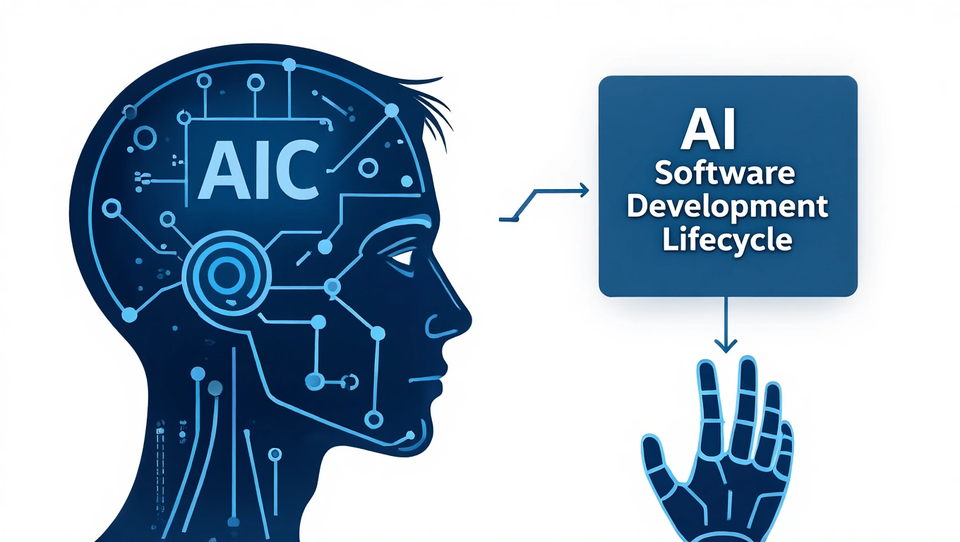
The software development industry is changing faster than ever before. Artificial Intelligence (AI) is no longer a futuristic concept — it’s here, and it’s rewriting how developers write, test, and optimize code.
AI tools like GitHub Copilot, ChatGPT, and Amazon CodeWhisperer are not replacing developers; they’re redefining productivity. Developers who know how to integrate these tools effectively are creating cleaner, faster, and more scalable software than ever before.
🤖 The Rise of AI-Assisted Coding
AI-driven coding tools act as intelligent partners. They:
- Suggest context-aware code completions
- Generate boilerplate code instantly
- Identify potential security issues before deployment
- Reduce human error and speed up debugging
In short, AI doesn’t just make coding faster — it makes developers think differently.
🧩 From Manual Coding to Smart Automation
Traditional coding workflows were linear: write, test, fix, repeat.
AI transforms this process into a dynamic feedback loop.
For example:
- Machine learning models analyze your previous commits to suggest better solutions.
- AI-powered linters detect inefficient algorithms and recommend optimizations.
- Automated unit testing tools can predict and simulate potential edge cases.
AI is gradually taking over the repetitive tasks so developers can focus on architecture, design, and creative problem-solving.
💡 The Human + AI Collaboration
The best results come when human expertise meets machine intelligence. Developers who learn how to guide AI prompts effectively — using clear intent and contextual understanding — can dramatically improve output quality.
AI isn’t replacing creativity; it’s amplifying it. The next generation of developers will be measured not by how much code they write, but by how efficiently they collaborate with AI systems.
⚙️ Real-World Applications
AI-driven development is already revolutionizing:
- DevOps – Predictive deployment and automated CI/CD pipelines
- Cybersecurity – Intelligent threat detection and response automation
- Testing – Smart regression and performance testing
- Documentation – Natural language code documentation
- Code review – AI-based static analysis
🌐 The Future of Development
By 2030, most coding environments will be AI-augmented by default.
Integrated assistants will understand not just syntax but intent, optimizing your logic before you even run the code.
This shift means every developer must evolve: from coder → AI collaborator → system architect.
🔮 Final Thoughts
AI-driven development is not the end of programming — it’s a new beginning.
Those who adapt early will shape the next generation of intelligent software systems.
Stay ahead, stay curious, and embrace the evolution.
Explore more practical programming insights at dargslan.com