
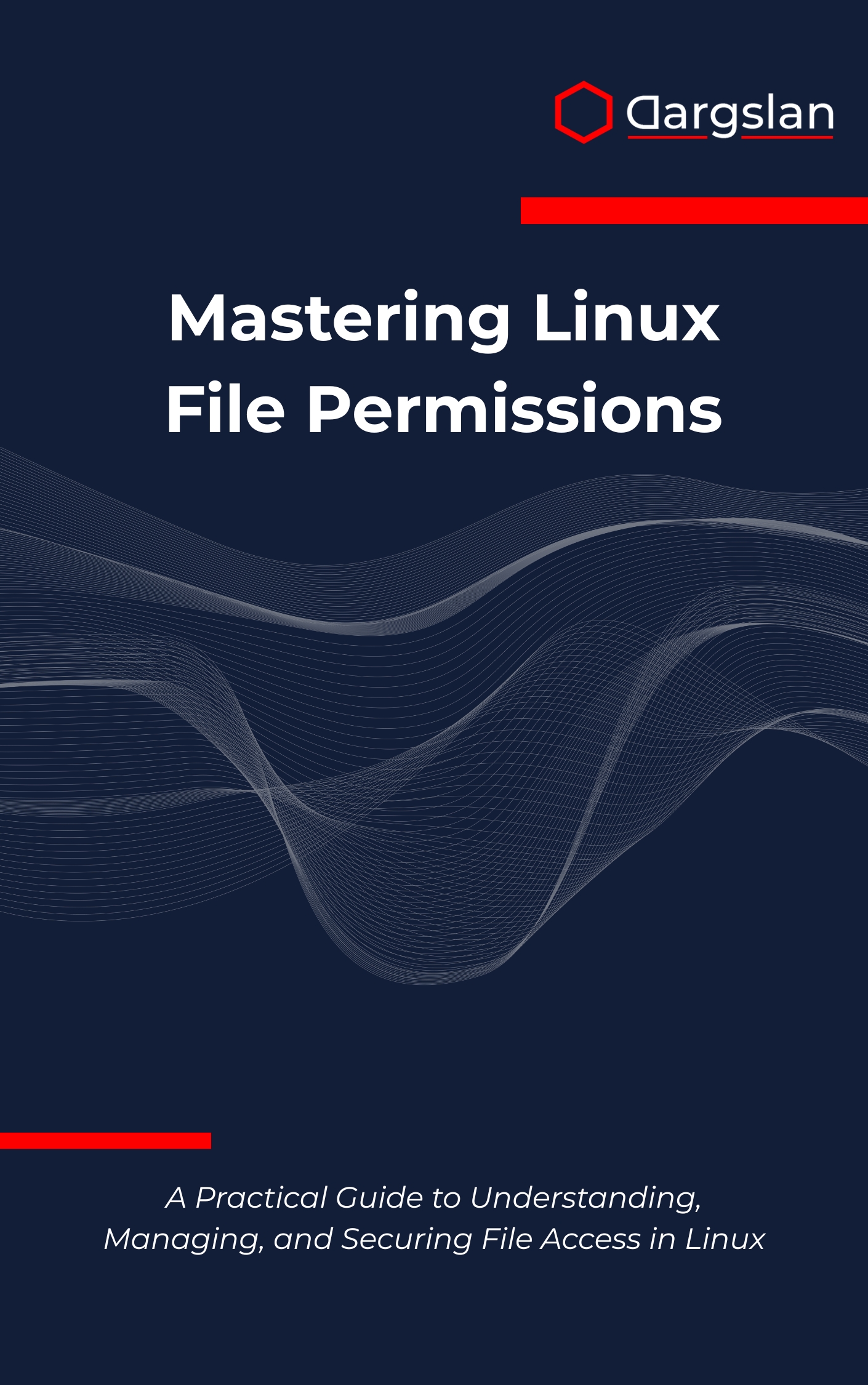
Mastering Linux File Permissions
If you work with Linux systems, you already know that file permissions can make or break stability, security, and productivity. This resource demystifies permission concepts and turns them into practical skills you can use immediately on servers, laptops, and containers alike.
With real-world examples, clear explanations, and a step-by-step approach, you’ll learn not just what permissions mean—but how to apply them confidently in production. From quick fixes to enterprise-grade policies, you’ll have a proven path to stronger access control.
A Practical Guide to Understanding, Managing, and Securing File Access in Linux
Overview
Mastering Linux File Permissions is A Practical Guide to Understanding, Managing, and Securing File Access in Linux that takes you from foundational concepts to advanced security practices across diverse Linux environments. As an IT book, programming guide, and technical book, it offers comprehensive coverage of file permissions fundamentals, chmod command mastery, chown and chgrp usage, numeric octal permissions, and symbolic permission notation. You will also learn umask configuration, SUID and SGID implementation, sticky bit functionality, advanced ownership concepts, permission troubleshooting, security hardening strategies, automation scripting, enterprise access control, vulnerability prevention, and system administration best practices through hands-on scenarios.
Who This Book Is For
- System administrators who need reliable, repeatable methods to lock down servers and maintain compliance. Gain a practical blueprint for access control policies that scale from single hosts to enterprise fleets.
- Developers and DevOps engineers aiming to ship secure applications on Linux. Learn to set correct permissions in CI/CD pipelines, container images, and shared build environments without slowing delivery.
- Security professionals and power users seeking deeper mastery. Build confidence with advanced techniques like SUID/SGID auditing, sticky bit use cases, and automated remediation that hardens real systems.
Key Lessons and Takeaways
- Get fluent in permission models and notation. Understand the difference between user/group/other, compare symbolic and numeric octal permissions, and apply inheritance rules using umask configuration for predictable defaults.
- Master the essential commands and their safest usage. Use chmod, chown, and chgrp with precision; craft permission changes that avoid downtime; and apply sticky bit functionality to protect shared directories in multi-user environments.
- Implement advanced, security-first strategies. Apply SUID and SGID implementation responsibly, design enterprise access control aligned to least privilege, automate checks with scripts, and troubleshoot permission errors quickly in production.
Why You’ll Love This Book
Clarity meets practicality: every concept is paired with real examples, from setting default masks for new files to debugging permissions on network shares. You’ll find checklists, patterns, and pitfalls to avoid—plus proven solutions for common production incidents. Whether you’re hardening a web server or preparing for a technical interview, this guide equips you with repeatable, workflow-friendly techniques.
How to Get the Most Out of It
- Start with the fundamentals, then progressively layer in advanced topics. Move from symbolic vs. octal notation to chown and chgrp usage, and finish with SUID/SGID and sticky bit scenarios for shared directories and service accounts.
- Apply each chapter to a real system as you read. Validate umask effects in your shell, audit inherited permissions on project repos, and test remediation steps for permission troubleshooting on staging before production.
- Complete mini-projects to cement skills. Create a secure shared workspace with group-based access, write a permission-audit script for CI, and harden a service directory using least-privilege and vulnerability prevention best practices.
Deep-Dive Highlights
Build confidence with nuanced ownership strategies, including primary group alignment and project group design that simplifies collaboration. Explore the interplay between filesystems, ACLs, and traditional modes, and learn when to prefer one mechanism over another.
Discover security hardening strategies that stand up to audits—covering world-writable detection, setuid/setgid review, and safe defaults for temp directories. You’ll also learn automation scripting patterns that standardize permissions across fleets, catching drift before it becomes risk.
Real-World Scenarios You’ll Solve
- Eliminate “Permission denied” surprises on deployments by codifying permissions in your build and release steps. Ensure artifacts, logs, and sockets are owned and accessible by the right service users.
- Protect multi-user environments with sticky bit functionality on shared directories, preventing file hijacking while preserving collaboration. Combine with carefully set group ownership to streamline teamwork.
- Audit inherited permissions using umask configuration and directory defaults, then remediate gaps with scripted changes. Produce evidence for compliance with clear before-and-after permission states.
Beyond the Basics
This guide goes further than routine command references by showing where advanced ownership concepts and access policies intersect with operational realities. You’ll learn to balance usability and security without overcomplicating workflows.
Appendices provide quick-reference charts, interview preparation prompts, troubleshooting playbooks, and curated resources. Keep it on your desk as a durable reference for system administration best practices.
Proof You Can Use Today
Whether you manage a handful of VMs or a large estate, the patterns here help you standardize, automate, and verify. From chmod command mastery to automated permission audits, you will shorten incident resolution time and prevent misconfigurations before they spread.
By internalizing these practices, you’ll deliver safer releases, minimize escalations, and create a culture of intentional access control—hallmarks of mature Linux operations.
Get Your Copy
Level up your Linux expertise with a practical playbook you can reference every day. Secure, consistent file access is within reach—start applying these strategies on your next deployment.