Python Clean Code: Write Better Scripts
Building REST APIs with Flask: Design, Develop, and Deploy Scalable Web APIs Using Python and Flask,Build RESTful APIs using Python Flask and deploy scalable web applications.
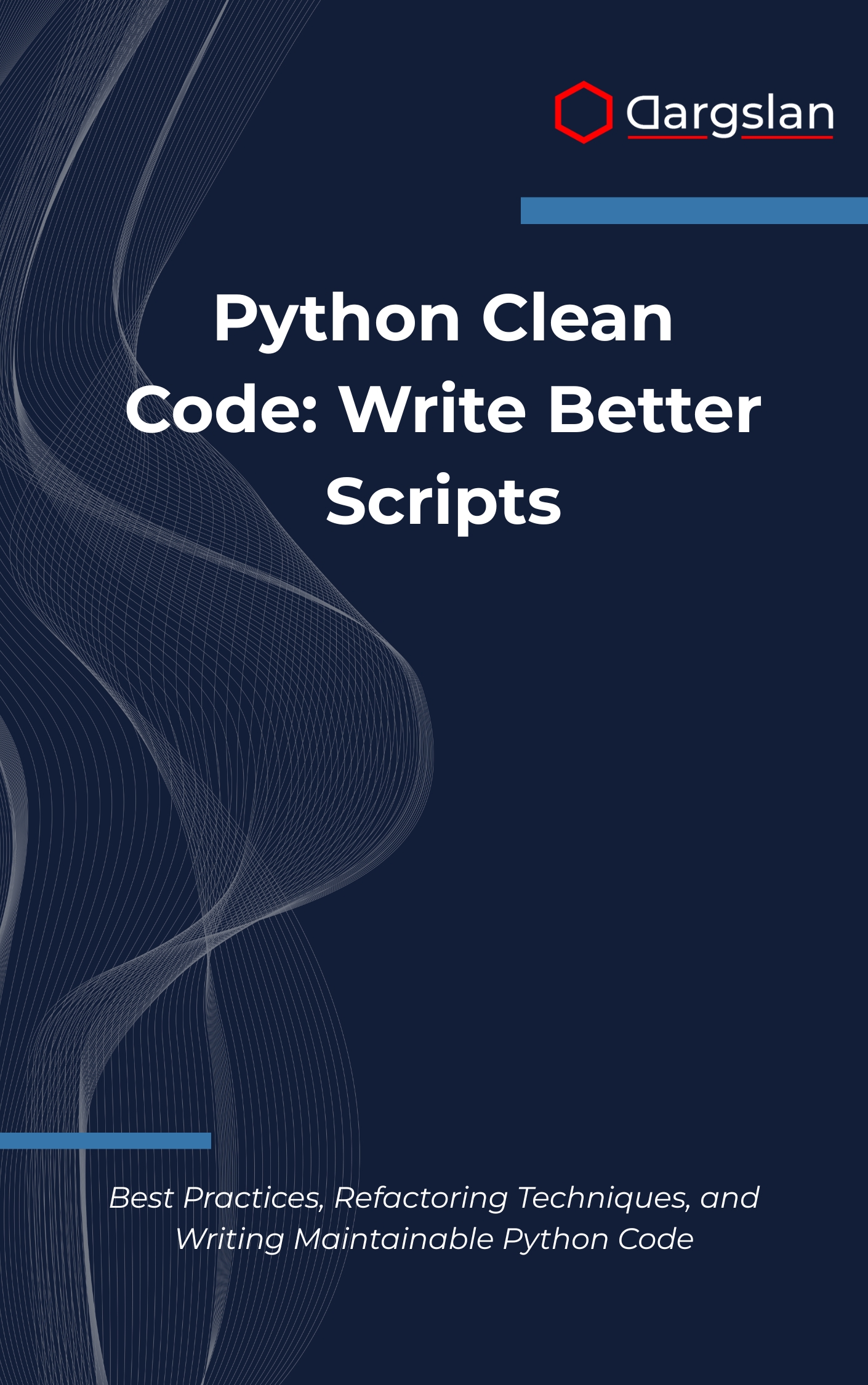
Write code that teammates admire and future-you can trust. If you’ve ever wished your Python scripts were cleaner, faster to change, and easier to test, this book shows you exactly how to get there.
From quick automation to production-grade tools, it turns “it works” into “it’s well designed”—with practical patterns, refactoring strategies, and clear guidance tailored to Python’s strengths.
Best Practices, Refactoring Techniques, and Writing Maintainable Python Code
Overview
Python Clean Code: Write Better Scripts is a hands-on guide to Best Practices, Refactoring Techniques, and Writing Maintainable Python Code. Focused squarely on Python, it teaches you how to design functions, structure scripts, and manage complexity, so your programs stay readable, reliable, and easy to extend. It’s an IT book, a programming guide, and a technical book in one—grounded in real examples you can apply immediately.
Across concise chapters, you’ll explore a practical toolkit for Python: naming, abstractions, modularity, testability, and performance. The coverage includes ["Clean code principles","Python naming conventions","Function design and organization","Script structure and modularity","Error handling and exceptions","Code refactoring techniques","Testing and testability","Type hints and documentation","Performance optimization","Automation and CLI development","Code reusability patterns","Configuration management","Professional Python practices"]. You’ll learn how to iterate toward clarity and maintainability without losing momentum.
What makes this resource stand out is its Python-first perspective. You’ll harness list comprehensions, context managers, decorators, and type hints to simplify logic and express intent. Before-and-after refactoring walkthroughs illuminate why changes matter—and how to execute them safely.
Who This Book Is For
- Script authors and automation engineers who want cleaner, more robust utilities that are easier to share, review, and maintain across teams.
- Data scientists and data engineers aiming to turn notebooks and quick prototypes into well-structured, testable pipelines ready for production.
- Developers and SREs building CLI tools and system utilities who want to level up reliability, observability, and long-term maintainability—start now and future-proof your codebase.
Key Lessons and Takeaways
- Refactor step by step: Move from sprawling scripts to cohesive functions and modules that follow the single responsibility principle without breaking existing behavior.
- Adopt Pythonic naming and style: Use Python naming conventions, consistent formatting, and meaningful identifiers to make code self-documenting and review-friendly.
- Design functions that scale: Keep parameters small, prefer pure functions when possible, and separate I/O from logic to streamline testing and reuse.
- Structure scripts into packages: Evolve one-file scripts into modular layouts with clear boundaries, configuration management, and discoverable entry points.
- Handle errors intentionally: Apply exceptions thoughtfully, wrap resources with context managers, and add logging, retries, and graceful fallbacks for predictable behavior.
- Test for confidence and speed: Use pytest fixtures, dependency injection, and seam-driven design so units are easy to isolate and integration is reliable.
- Use type hints and docstrings: Strengthen editors and CI with static checks, improve discoverability with precise docstrings, and enforce contracts through types.
- Improve performance strategically: Profile hotspots, replace eager lists with generators, vectorize data operations, and cache results where it truly counts.
- Build great CLIs: Lean on argparse or Typer, design ergonomic commands and messages, and keep side effects and configuration neatly contained.
- Promote code reuse: Extract utilities, embrace decorators and context managers for cross-cutting concerns, and publish internal packages for team-wide benefits.
Why You’ll Love This Book
The guidance is clear, opinionated, and grounded in real-world practice. Each concept is introduced with a motivating example, then reinforced with concise techniques you can copy into your own projects.
Expect step-by-step refactoring, before-and-after comparisons, and practical checklists that demystify “clean code” in a Python context. You’ll learn the why behind every recommendation—and leave with repeatable habits that consistently improve code quality.
How to Get the Most Out of It
- Read in layers: Start with foundations—naming, function design, and script organization—then move to error handling, tests, and finally performance and advanced techniques.
- Refactor as you learn: Apply each chapter to an active script or module. Add typing incrementally, introduce context managers, and carve out reusable utilities as patterns repeat.
- Practice with mini-projects: Build a CLI for a daily task, refactor a data-processing pipeline with tests and logging, and profile a slow job to implement targeted optimizations.
Get Your Copy
Ready to turn working scripts into well-crafted software? Equip yourself with patterns, practices, and a repeatable process for maintainable Python—today and in the long run.