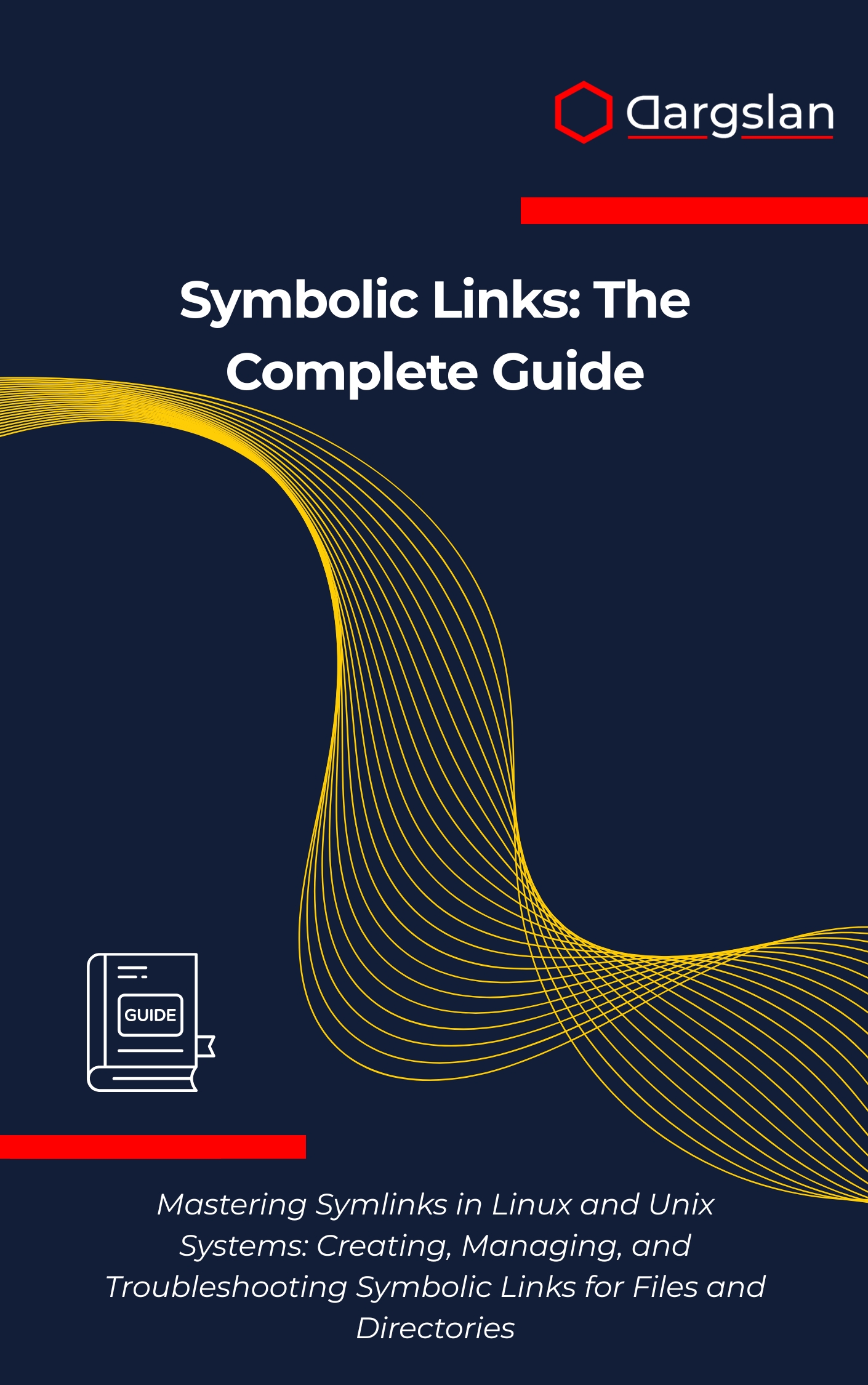
Symbolic Links: The Complete Guide
Struggling to keep your Linux or Unix environments clean, flexible, and easy to maintain? Mastering symbolic links is a small investment that pays massive dividends in organization, reliability, and deployment speed. This expertly crafted guide turns symlinks from a mystery into one of your most dependable tools.
Mastering Symlinks in Linux and Unix Systems: Creating, Managing, and Troubleshooting Symbolic Links for Files and Directories
Overview
Symbolic Links: The Complete Guide is the definitive IT book for anyone who works with Linux and Unix file systems. As a programming guide and technical book, it delivers practical expertise you can apply immediately, from basic linking to complex environments. You’ll gain a clear understanding of the operating system behaviors behind symlinks and the strategies that prevent breakage in production.
The coverage is comprehensive and hands-on. You’ll learn symbolic link fundamentals and the exact ln command syntax that professionals rely on every day. Topics include absolute vs relative symlinks, file system navigation, link management, permission handling, backup strategies, version control integration, cross-partition behavior, mount point considerations, troubleshooting techniques, automation scripts, best practices, and production deployment patterns.
Authored by experienced system administrators, the book balances theory with real-world solutions. You’ll see how symlinks streamline software versioning, simplify infrastructure upgrades, and reduce risk during rollouts. Whether you manage a single workstation or a fleet of servers, you’ll walk away with proven methods and repeatable workflows that scale.
Who This Book Is For
- System administrators who want reliable, repeatable file system design, with clear guidance on linking strategies that reduce downtime and surprises in live environments.
- Developers and DevOps engineers seeking faster deployments and safer rollbacks, learning how to use symlinks for versioned releases, shared assets, and container-friendly paths.
- Power users and learners aiming to deepen Linux and Unix mastery—build confidence, avoid common pitfalls, and adopt professional best practices for everyday productivity.
Key Lessons and Takeaways
- Design robust link structures for applications, logs, and shared resources, including when to choose absolute vs relative symlinks to survive reboots, mounts, and directory changes.
- Apply precise ln command syntax and link management techniques to standardize environments, preserve permissions, and keep teams aligned across development, staging, and production.
- Implement practical backup strategies and troubleshooting techniques that prevent broken links, handle cross-partition behavior, and simplify disaster recovery and migrations.
Why You’ll Love This Book
This guide is clear, focused, and immediately applicable. Each chapter delivers step-by-step guidance supported by practical examples, checklists, and repeatable workflows. You’ll gain the confidence to implement symlink strategies that are simple to maintain and safe to scale.
How to Get the Most Out of It
- Follow the progressive structure: start with symbolic link fundamentals and ln command syntax, then move into absolute vs relative symlinks, link management, and mount point considerations. Finish with production deployment case studies to cement your understanding.
- Apply concepts as you read: refactor a cluttered directory tree, standardize configuration paths, and enforce permission handling rules. Validate cross-partition behavior and test how links behave with different mount points before promoting changes to production.
- Build small, real-world exercises: create a versioned release directory using symlinks, set up a shared data path for multiple services, and implement a backup plan that preserves link targets. Document troubleshooting techniques and automation scripts you can reuse across projects.
Get Your Copy
Ready to turn symlinks into a powerful advantage in your workflows? Equip yourself with the knowledge to prevent breakage, accelerate deployment, and keep your systems clean, consistent, and maintainable.